
LUDWIG Wittgenstein said that language is not a monolithic thing, but rather a concept structured based on social consensus. Wittgenstein called this concept language games. For me, referring to Wittgenstein’s concept, language is something relative and contingent. It can be said that language is shaped by social consensus influenced by geopolitical, historical, and socio-anthropological dimensions.
It is this linguistic relativism that makes language diverse depending on the situation and social context. Even if we look at the history of human development, history has become diverse from the oldest linguistic roots, namely Semitic, due to the diaspora of humans throughout the earth. The diversity of geopolitical contexts where humans spread out, as well as the influence of human habits of living in colonies, has made languages diverse in accordance with the consensus of the communities in which they are used.
When talking about language, we all know that English is recognized as the universal language, or more specifically, American English. However, what I want to question is who standardized this universal concept? And why did English (American) become the universal language? But since this is not a scientific article, I don’t want to answer and analyze my own questions. What I want to write here is my personal opinion about universal language.
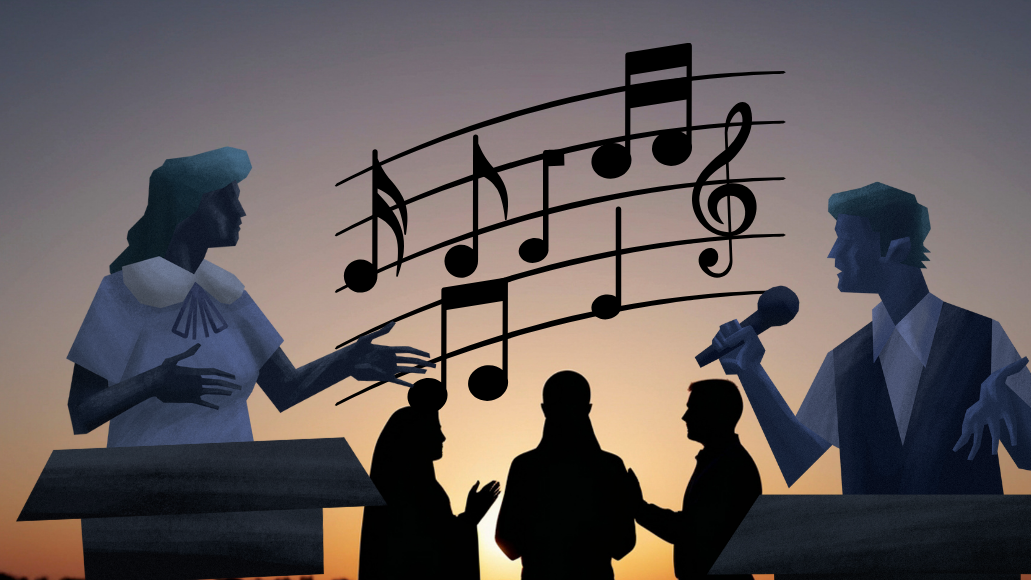
For me, music is a universal language. This is my personal opinion based on what I have experienced firsthand. In addition, I work behind the bar at a small cafe in Yogyakarta. Coincidentally, the cafe where I work is frequented by many foreign tourists. As someone behind the bar, striking up a conversation is a common habit of mine, and of course, English is my bridge to start a conversation. However, another problem arises, namely that not all tourists can speak English. This means that sometimes no conversation starts, and I just serve orders formally.
However, at certain moments, interaction can occur occasionally because there is a topic that connects or bridges the gap between visiting tourists and me as the person behind the bar. Sometimes we can connect by discussing different political views due to the socio-political differences between where we live. Sometimes we can connect when talking about literacy and what books we are reading, or the titles of our favorite books. Sometimes we can also connect when talking about different coffee cultures, whether it’s coffee trends, favorite types of coffee drinks in their countries, or their favorite coffee beans they have ever tasted.
However, for me, there is one interesting topic that can connect me with visiting tourists. That is music. For me, music is the perfect bridge to connect me with buyers. This started with a small thing I did when I played songs that were likely to be from their favorite bands. When I play these songs, sometimes people will notice and suddenly ask, “Did you play this song?” And from there, the conversation begins. It starts with music, then moves on to socio-politics, favorite books, and even the coffee culture in their home countries. Even for those who don’t speak English very well, music remains a bridge between me and them. When I play songs that appeal to them, they usually start to enjoy themselves and “dance” a little, then they give me a thumbs up to show their appreciation for my playlist curation.
What I am trying to share here is a real example that popular culture, especially music, can be a bullet to break through the barriers created by “language.” Once again, it must be emphasized that language is contingent and constructed according to the consensus of the existing community. Wittgenstein tried to see that language is a basic element for humans to control other humans. Therefore, he called everything a “language games.” As a figure in analytical philosophy, he criticized philosophy itself because the people behind philosophy use language that is only understood by their own group. It can be said that language is the basic foundation used by the elite to control the masses in a hegemonic manner. And, if everything is a “language games,” then this writing is an example of a “language games” that I have created. [T]
Writer: Heski Dewabrata
Editor: Kadek Sonia Piscayanti